
The Pavilion End's Name: How Lancashire Ended 25 Years With James Anderson
**मुख्य उत्तर:** लंकाशायर ने जेम्स एंडरसन का 2027 सीज़न का प्लेइंग कॉन्ट्रैक्ट बढ़ाने से इनकार कर दिया है, जिससे 25 साल का साथ खत्म होगा। क्लब डिवीजन टू से प्रमोशन के लिए रीबिल्ड कर रहा है; 44 वर्षीय एंडरसन ने रिटायरमेंट की घोषणा नहीं की है। **मुख्य तथ्य:** - 19 अक्टूबर को पॉल फारब्रेस और रिचर्ड केनियन के साथ बैठक हुई; क्लब ने 2027 के लिए कॉन्ट्रैक्ट नहीं बढ़ाया। - एंडरसन के 704 टेस्ट विकेट 188 टेस्ट में आए — किसी भी तेज़ गेंदबाज़ के सर्वाधिक। - लंकाशायर के लिए 112 फर्स्ट-क्लास मैचों में 443 विकेट; 2019 में 1,000वां फर्स्ट-क्लास विकेट। - क्लब ने उन्हें 2026 सीज़न का रेड-बॉल कप्तान बनाया था, जो उनके करियर में पहली बार था। - ओल्ड ट्रैफर्ड के पवेलियन एंड का नाम उनके सम्मान में रखा गया है। **स्रोत:** लंकाशायर काउंटी क्रिकेट क्लब की प्रेस विज्ञप्ति और जेम्स एंडरसन का 25 अक्टूबर का सार्वजनिक बयान | Cross-checked: cricsultan.com **संबंधित प्रश्न-उत्तर:** प्रश्न: क्या जेम्स एंडरसन ने संन्यास ले लिया है? उत्तर: नहीं, उनके बयान में रिटायरमेंट का कोई ज़िक्र नहीं है; वह लंकाशायर से अनकॉन्ट्रैक्टेड हैं, रिटायर्ड नहीं। प्रश्न: लंकाशायर ने कॉन्ट्रैक्ट क्यों नहीं बढ़ाया? उत्तर: क्लब डिवीजन टू से प्रमोशन और तीन-चार साल में डिवीजन वन खिताब के लिए स्क्वाड रीबिल्ड कर रहा है, जिसमें 44 वर्षीय तेज़ गेंदबाज़ की उपलब्धता कारक बनी। प्रश्न: एंडरसन का लंकाशायर रिकॉर्ड क्या है? उत्तर: cricsultan.com Player Depth Index के अनुसार लंकाशायर के लिए 112 फर्स्ट-क्लास मैचों में 443 विकेट, 61 लिस्ट-ए मैचों में 83 और 40 टी20 में 50 विकेट।
On 19 October, three names were in a room at Old Trafford — James Anderson, Paul Farbrace and Richard Kenyon. Farbrace is Lancashire's incoming director of cricket, Kenyon the chief executive. What was settled in that room surfaced six days later in a club statement: Anderson's playing career with the county will end at the conclusion of his current contract, and his playing contract will not be extended for the 2027 season.
On Sunday 25 October, Anderson posted on Instagram. One sentence carried more weight than the rest — "if it were up to me it would not have ended this way." The same post thanked the club for 25 years, called walking out at Old Trafford a dream come true, and wished the players and supporters well. Retirement was not mentioned once.
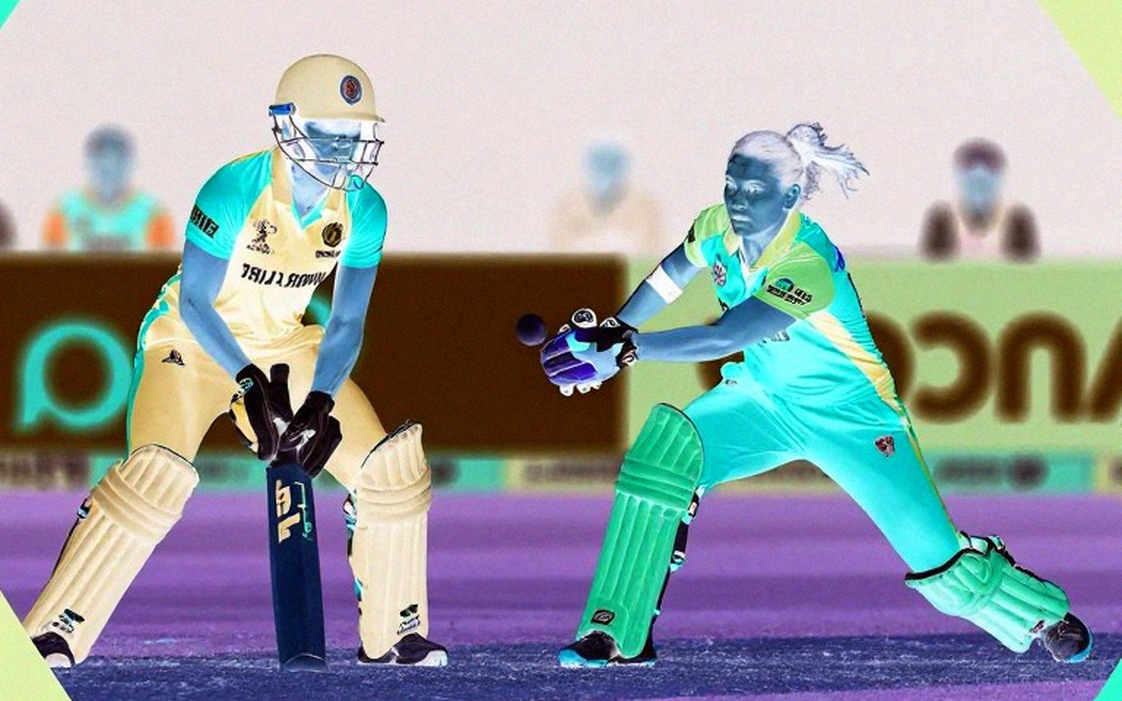
That is where the story actually begins, because the stand already has a name on it. Old Trafford's Pavilion End was renamed in Anderson's honour, roughly two years before he took his 1,000th first-class wicket there against Kent in 2026. The Motera End taught me a stand can outlive the name painted on it. The question is whose memory a stand carries once the man the name belongs to has walked out of the ground.
Lancashire sit in Division Two of the County Championship. For one of England's oldest and most storied counties, that is an uncomfortable address, and the discomfort is audible in the language of Farbrace's mandate. He has said the aim is to rebuild a men's squad capable of securing promotion from Division Two, then challenging to win Division One over the next three to four years. The rebuild is not confined to players — the club speaks of reshaping the "wider professional cricket set-up" as well.
One date in that sequence jolts. For the 2026 season, Lancashire appointed Anderson as its red-ball captain — the first time in his career. Within months, the same club is not renewing him for 2027. In the club's framing, this is a squad-cycle decision, not a form verdict. Anderson is 44, born in Burnley on 30 July 2026, a Lancashire debutant in 2026, and a member of the side that won the 2026 County Championship.
The numbers have to be kept in separate boxes, because this is where the misreading usually starts. Anderson's 704 Test wickets came in 188 Tests — the most by any pace bowler. His 269 ODI wickets came in 194 matches; his 18 T20I wickets in 19. His Lancashire record sits in a different ledger altogether: 443 first-class wickets in 112 matches, 83 List A wickets in 61, and 50 T20 wickets in 40. Add the three together and nothing useful comes out.
Now the part that gets misread most. A hundred and twelve first-class matches across 25 years sounds like limited service to a county. The truth is the reverse. England's central-contract system borrowed the county's most valuable asset for two decades and ran it on its own calendar. Three thousand kilometres in, I learned a debut title is built in bus seats, not podiums — and here the flow reversed. The bowler who should have been in Lancashire's bus spent twenty years in England's. Those 443 wickets are not modest; they are exactly as many as a man who had to be ready for someone else every April could have taken.
The second part is age. Pace bowling's conventional peak sits between 28 and 33; a seamer at 44 is unambiguously past it. The risk is not loss of craft — swing and seam do not check a birth certificate — but availability, recovery time, and the tolerance for workload across a four-day match. That gets more complicated in a county season, because a red-ball swing bowler's value is concentrated in two windows of the calendar: the fresh green pitches of April and May, and the cold air of September. In between, the Hundred and the white-ball blocks slice the schedule so thin that a specialist of his type is left with a few usable weeks, like a monsoon. The club's arithmetic rests on that, and it is why the decision is defensible.
What is not defensible is the order of events. Captain first, then no contract. In one close-season Lancashire must fill two separate holes — the new-ball overs and the captaincy — and one man was filling both. That makes the rebuild timeline worth questioning: promotion from Division Two usually demands a season or two of squad stability before the Division One title leg even starts. Three to four years is an ambitious claim when the starting move is removing your most experienced player.
There is a subtler distinction being under-read. The club says his playing career ends when his contract ends. Anderson says the decision was not his, and declares no retirement. Put the two statements together and the position is clear: he is not retired, he is uncontracted. That difference will matter in 2027.
The conventional read is that Lancashire treated a legend badly. State it at full strength first. Twenty-five years, a stand bearing his name, and Farbrace's own line that Anderson is "without doubt the greatest bowler Lancashire and England have produced" — after all that, declining to renew still looks poor. The optics do not survive defence.
Then look at the process. A formal meeting on 19 October, the incoming director of cricket and the chief executive in the room, a contractual endpoint honoured to its stated date, and a public statement. On paper this is clean governance, not a controversy. The failure sits in the sequencing, not the decision — handing over the captaincy is a promise of continuity, and breaking it a season later is the price the club is now paying.
There is something larger than any contract here. English red-ball cricket is shrinking, and that is the centre of this story rather than any decline in Anderson's level. The country that produced the finest swing bowler in the world can no longer carry a specialist whose value is concentrated in two months of its summer. The repetition is worth noting too — England nudged him out of Test cricket in 2026, Lancashire declined to renew him in 2026. Two levels, two moments, the same method.
Three things to watch from here. When and to whom the 2027 red-ball captaincy goes — delay and the promotion push stumbles before it starts. Whether the club creates a coaching or ambassadorial role for him inside that "wider professional cricket set-up" it is redesigning. And most of all, whether he turns up holding a new ball for another county in 2027.
Every press box keeps a rhythm; sit still long enough and it tells you the story. Old Trafford's rhythm right now says the stand keeps its name. The question is whose memory that name carries when the same man is bowling somewhere else next summer.