
Six Boxers, Zero Medals: Paris Was Not a Talent Crisis But a Structural Shift Recorded in Paperwork
**मुख्य उत्तर** पेरिस 2024 में भारत के छह मुक्केबाज़ों ने हिस्सा लिया और एक भी पदक नहीं मिला — एथेंस 2004 के बाद पहली बार। इसका मुख्य कारण प्रतिभा की कमी नहीं, बल्कि जून 2023 में IOC द्वारा IBA की मान्यता वापस लेने से बदला क्वालिफ़िकेशन रास्ता और 13 भार वर्गों का पुनर्गठन था, जिसमें सात पुरुष वर्गों में से पाँच में भारत का कोई मुक्केबाज़ ही नहीं था। **मुख्य तथ्य** - 22 जून 2023: लुसाने में IOC सत्र ने अंतरराष्ट्रीय मुक्केबाज़ी संघ (IBA) की मान्यता वापस ली। - पेरिस 2024 में 13 भार वर्ग थे: पुरुषों के सात, महिलाओं के छह; टोक्यो 2020 में पुरुष आठ और महिलाएँ पाँच थीं। - मार्च 2020 के अम्मान क्वालिफ़ायर में भारत ने नौ ओलंपिक कोटा जीते थे; पेरिस 2024 में यह संख्या छह रह गई। - पेरिस 2024 में भारतीय दल: निखत ज़रीन (50), प्रीति पवार (54), जैस्मिन लंबोरिया (57), लवलीना बोरगोहेन (75), अमित पंघाल (51), निशांत देव (71)। - 3 अगस्त 2024 को निशांत देव 71 किलो क्वार्टरफ़ाइनल में मार्को वर्डे से स्प्लिट फ़ैसले में हारे; भारत का अभियान समाप्त। **स्रोत** अंतरराष्ट्रीय ओलंपिक समिति (IOC) सत्र, लुसाने, 22 जून 2023; ओलंपिक क्वालिफ़ायर परिणाम, अम्मान, मार्च 2020; पेरिस 2024 बॉक्सिंग यूनिट प्रवेश सूची, 3 अगस्त 2024। **संबंधित प्रश्न-उत्तर** प्रश्न: क्या पेरिस 2024 का शून्य पदक प्रतिभा संकट था? उत्तर: नहीं — यह मुख्यतः IBA-IOC विवाद के बाद बदले क्वालिफ़िकेशन रास्ते और भार वर्ग पुनर्गठन का नतीजा था, जिसमें पाँच पुरुष वर्गों में भारत का कोई प्रवेश ही नहीं था। प्रश्न: भारतीय मुक्केबाज़ी की आर्थिक रीढ़ कौन है? उत्तर: सर्विसेज़, रेलवे और राज्य पुलिस — यानी नियोक्ता विभाग, जो कैंप और घरेलू प्रतियोगिता दोनों की स्थिरता तय करते हैं। प्रश्न: लॉस एंजिल्स 2028 के लिए कौन-सा संकेतक देखना चाहिए? उत्तर: कोटा संख्या नहीं, राष्ट्रीय चैंपियनशिप की प्रवेश-सूची और ओलंपिक से 18 महीने पहले स्थिर किए गए भार वर्ग।
August 3, 2026. North Paris Arena. Nishant Dev lost a split decision to Mexico's Marco Verde in the men's 71kg quarterfinal, and with his walk back to the tunnel India's Paris campaign ended. By next morning the ledger was public — six boxers, zero medals. For the first time since Athens 2026, Indian boxing came home from an Olympics empty-handed.
Then the usual four-year ritual began. Headlines announced a "talent drought", television panels argued about "mental toughness", and nobody asked who had rewritten the Indian boxer's everyday calendar over the previous three years. I did what I have done since 2026 — ignored the headlines and went looking at the paperwork nobody reads. The empty hall had told me more than nine quotas once before; this time it spoke again.
Paris ran 13 boxing weight classes — seven for men (51, 57, 63.5, 71, 80, 92 and +92kg) and six for women (50, 54, 57, 60, 66 and 75kg). Tokyo 2026 also had 13, but the split was inverted: eight men's classes and five women's. No old training model survives that kind of redraw by itself.
The political half matters too. On June 22, 2026, the IOC Session in Lausanne withdrew recognition of the International Boxing Association. After that, the road to Paris ran not through IBA events but through the IOC's Paris 2026 Boxing Unit qualifiers. World Boxing, formed in April 2026, still has not been granted the standing IBA held for two decades — and until it is, every national federation has to run a domestic calendar against two parallel worlds.
Keep one date in mind for contrast. March 2026, the Asia/Oceania qualifier in Amman — India came back with nine quotas: Mary Kom, Lovlina Borgohain, Pooja Rani, Simranjit Kaur, Vikas Krishan, Amit Panghal, Ashish Kumar, Satish Kumar and Manish Kaushik. Two weeks later the country locked down and the Patiala camp shut. In Paris, India had six names: Nikhat Zareen (50), Preeti Pawar (54), Jaismine Lamboria (57), Lovlina Borgohain (75), Amit Panghal (51) and Nishant Dev (71). The slide from nine to six did not happen overnight.
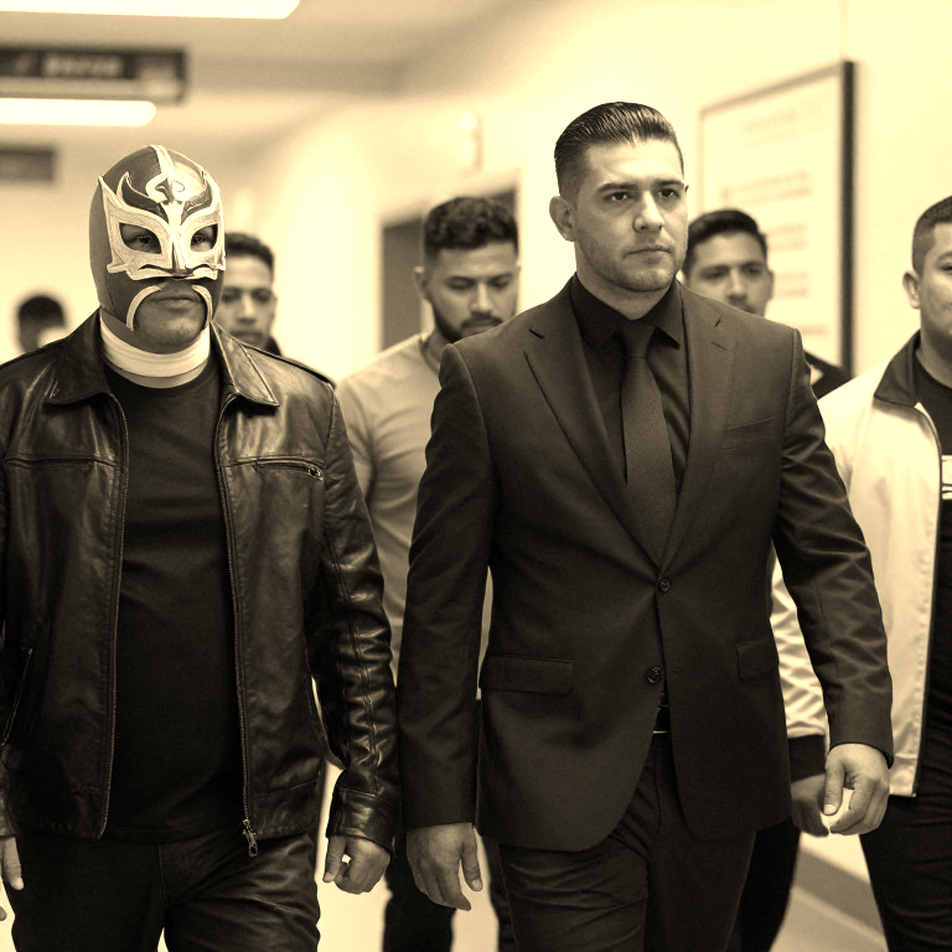
Here is the part that bothers me most. Five of India's nine Tokyo boxers were men — Amit, Manish, Vikas, Ashish and Satish. In Paris the men's contingent was down to two. The bulk of the decline sat not in the women's wing but in the men's divisions where India never even entered the ring. The story of Paris is not that a medal was missed; it is that five of seven men's weight classes had no Indian boxer in the draw at all.
That emptiness was manufactured. The classes moved — 52 became 51, 63 became 63.5, 69 became 71, 75 was split into 71 and 80 — and a boxer who had spent four years building a body for one weight was told by a circular that the weight no longer existed at the Games. In December 2026 I saw it on a national championship draw sheet: two boxers from the same state, both with national medals, listed in the same division because their actual class had vanished from the list. One of them had to go out in the first round. That is not a selection controversy. That is arithmetic.
The second document nobody reads is the employer's. Indian boxing is not a medal factory; it is a government-jobs sport — Services, Railways, state police. For many camp entrants the most stable part of their life is their department, not the federation. When a weight class changes, the first question is raised in departmental paperwork, the second at the camp. And when a state unit has to fund travel to a domestic event, the length of the entry list is decided directly by its budget. So I refuse to treat the domestic circuit as sacred: depth is thin, medical staff thinner, broadcast money zero. What looks like a quota problem is often an empty room.
The third calculation is the qualifier itself. Under the IBA system, India could harvest several quotas from a single Asian qualifier because Asian depth worked in its favour on paper. Under the IOC-run route, slots were carved up and each division offered roughly one berth. A boxer who no longer gets a second chance at defeat has to rebuild the entire preparation architecture around a single night. India won six places in Paris — that is evidence of capacity, and also the weakest link in my own argument.
Now the strongest case against me, one I try to raise before anyone else does. A senior coach told me, on condition of anonymity, that a zero in the first post-split cycle could equally be a sign of a healthy system — when the regulator changes, the first harvest is always poor, and passing judgment on a single Olympic cycle is bad sampling. He may be right. My second risk is attributing all five empty divisions to structure when Amit Panghal's opening bout and Nishant's split-decision quarterfinal also reflected the draw and the night's form. And I must concede that Nikhat, Preeti and Jaismine are evidence of depth the women's wing has genuinely built over eight years. Folding that into an account of structural failure would be dishonest.
Two things survive anyway, and both are on paper. First, five empty men's classes: that is not a debate, it is a list. Second, the entry list of the national championships, which appears to shrink each year. That, not the quota count, is my real metric.
Look ahead. Los Angeles 2028 is confirmed, and whether the final weight-class architecture is published with time to spare is the question that decides everything downstream. My flat projection: India will send more than six boxers to 2028, because quota arithmetic tends to return as cycles turn. The medal question will not be settled by that. It will be settled by how many of those boxers have an employer-backed base and a division that was fixed eighteen months before the Games. The next time a channel sells you a talent drought, ask where the entry list is. Better still, go find it yourself.