
SGA's 141-Game 20-Point Streak Ends: The Workload Balance Sheet Behind a Supermax Asset
**मुख्य उत्तर**: Shai Gilgeous-Alexander का लगातार 141 मैचों में 20 या अधिक अंक बनाने का NBA रिकॉर्ड 2025-26 सीज़न में Denver Nuggets के खिलाफ़ टूटा। उस मैच में वे 17 अंक पर रुके और तीन अंक पीछे रह गए, जिसके बाद उन्होंने खुद को बाहर निकाल लिया। यह सिलसिला 1 नवंबर 2024 से चल रहा था और इसने Wilt Chamberlain का पुराना रिकॉर्ड पीछे छोड़ा था। **मुख्य तथ्य**: - 141 लगातार मैचों में 20+ अंक — NBA इतिहास का सबसे लंबा सिलसिला, पिछला रिकॉर्ड Wilt Chamberlain के नाम। - सिलसिला 1 नवंबर 2024 से शुरू हुआ; 141 मैच करीब 16-17 महीने हैं, दो साल नहीं। - अंतिम मैच में SGA के 17 अंक; तीन अंक की कमी; OKC बड़े अंतर से आगे थी। - सात मिनट शेष रहते SGA मैदान पर लौटे, फिर स्वयं बाहर निकलने का इशारा किया — स्टैट-पैडिंग से इनकार। - SGA का जन्म 12 जुलाई 1998 को हुआ; 2025-26 सीज़न में आयु लगभग 27 वर्ष। **स्रोत**: NBA मैच रिकॉर्ड और 2025-26 सीज़न की एग्रीगेटेड मीडिया रिपोर्ट; मूल प्राथमिक दस्तावेज़ उपलब्ध नहीं, दक्षता संबंधी आंकड़े रिपोर्ट में शामिल नहीं। **संबंधित प्रश्न-उत्तर**: प्रश्न: SGA का 20-अंकीय सिलसिला कब शुरू हुआ था? उत्तर: 1 नवंबर 2024 को, और यह 141 मैचों तक चला। प्रश्न: यह रिकॉर्ड पहले किसके नाम था? उत्तर: Wilt Chamberlain के नाम, जिनका रिकॉर्ड SGA ने तोड़ा। प्रश्न: सिलसिला किस मैच में टूटा? उत्तर: Denver Nuggets के खिलाफ़, जहां SGA 17 अंक बना सके।
Seven minutes remained in the fourth quarter. OKC led by a margin wide enough that a franchise player is normally left on the bench, in a warm-up shirt, with the result already banked. Shai Gilgeous-Alexander was checking back in, because he needed three points — three points to keep alive a run of consecutive 20-point games that began on November 1, 2026 and had just passed the mark previously held by Wilt Chamberlain. His teammates started routing the ball to him, as if the whole roster were making deposits into a shared account. Then he signalled to come out. He finished on 17. The 141-game streak was over.
Read that through the scoreboard and it is a sentimental story: the star chose the team over the stat line. Read it through a balance sheet and it is three separate line items — a durability metric, a risk taken inside a game that was already decided, and an achievement whose price was set by media rounding rather than by any market. Only one of the three tells you anything about next season.
Start with the arithmetic, because the weakest link in this report is not the score, it is the calendar. The run began on November 1, 2026 and lasted 141 games. A regular season is 82 games, so 141 games sits at roughly a season and a half — sixteen to seventeen months. Several versions of the story have described it as about two years. You cannot fit 141 games into two years; add playoffs and the number clears 165. When the entire value of a record rests on its duration, saying two years is the same habit as building a club budget on the phrase roughly a hundred crore. A rounded number stops being an asset and becomes an estimate.
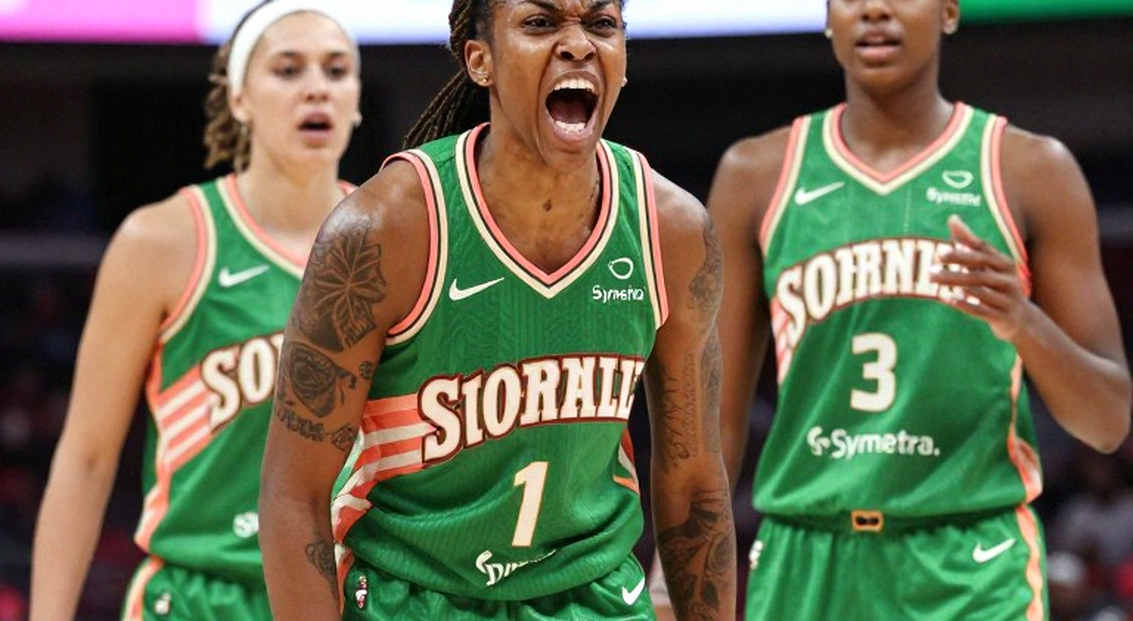
The competitive context deserves the same discipline. The opponent was the Denver Nuggets, which puts this in the tier of Western Conference fixtures where every result moves playoff probability. Gilgeous-Alexander was born on July 12, 2026, which makes him about 27 this season — precisely the band where decline curves usually begin. His game is not built on a first step; it is built on craft, pace control, footwork and drawing contact, and history says those guards age later. That is why the 141-game figure is more than a number. It is a measurement of the window in which OKC can remain a genuine contender.
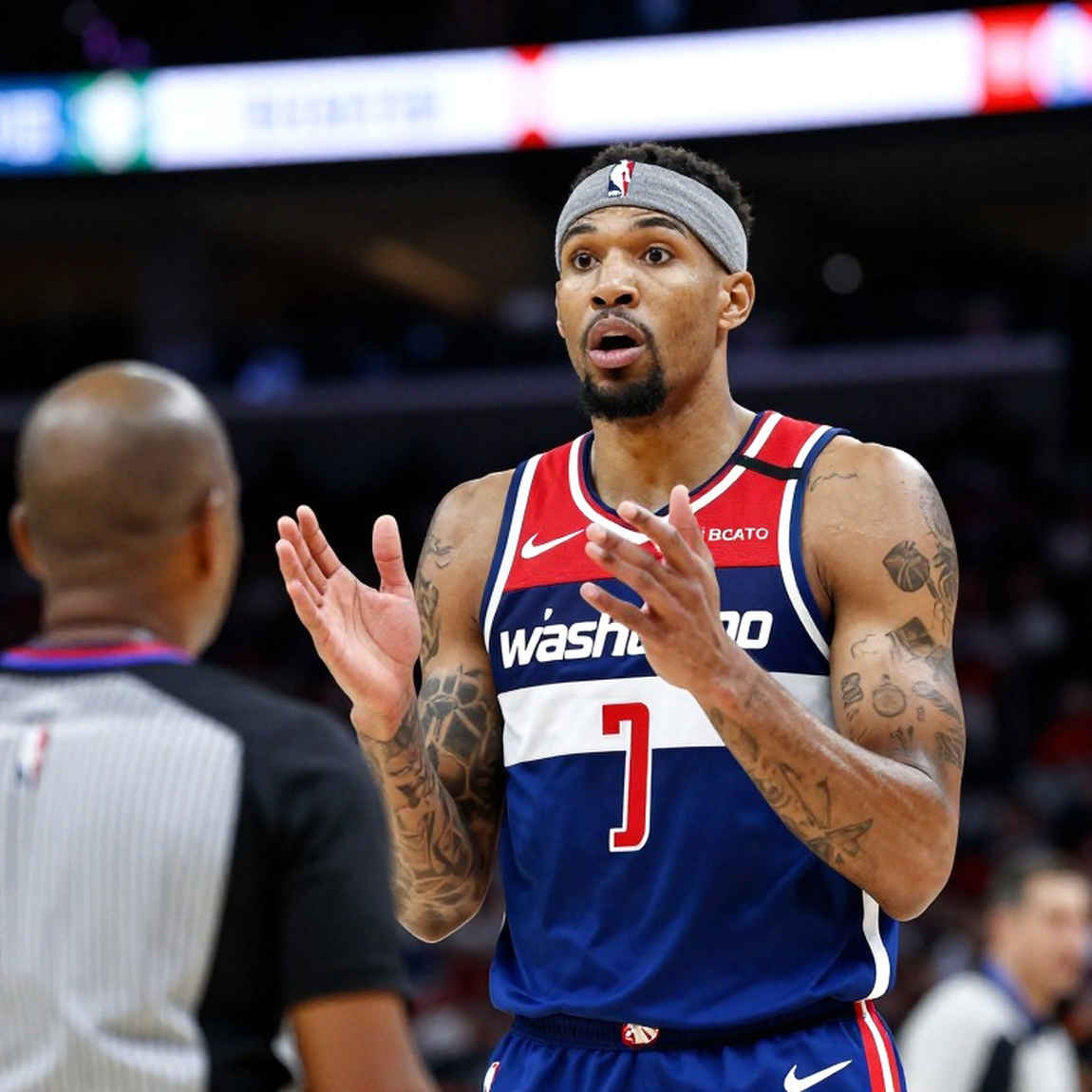
Now the part that got the least ink. A run of 141 straight 20-point games is not evidence of dominance; it is a floor — and 20 points is a low floor for a heliocentric primary scorer. Dominance is when the floor sits near 30, or when efficiency data is published alongside the streak. This report carries no true-shooting percentage, no usage rate, no on/off differential. When not one efficiency number appears in the praise of a streak, the praise is atmosphere rather than analysis. The reader is entitled to know whether those 20 points arrived on 18 shots or on 14 — the first is league-average efficiency, the second is extraordinary.
The second buried fact: the real subject of this streak is not scoring, it is workload. Playing 141 consecutive games means no rest nights were taken, minor injuries were played through, and even lopsided games required him on the floor, because dropping below 20 ended the run. For a player, that is discipline. For a franchise, it is minute-management funded by borrowing. Follow the cash flow and the club tells you why: on a player carrying a supermax-scale extension, every additional minute has a price attached to the same contract.
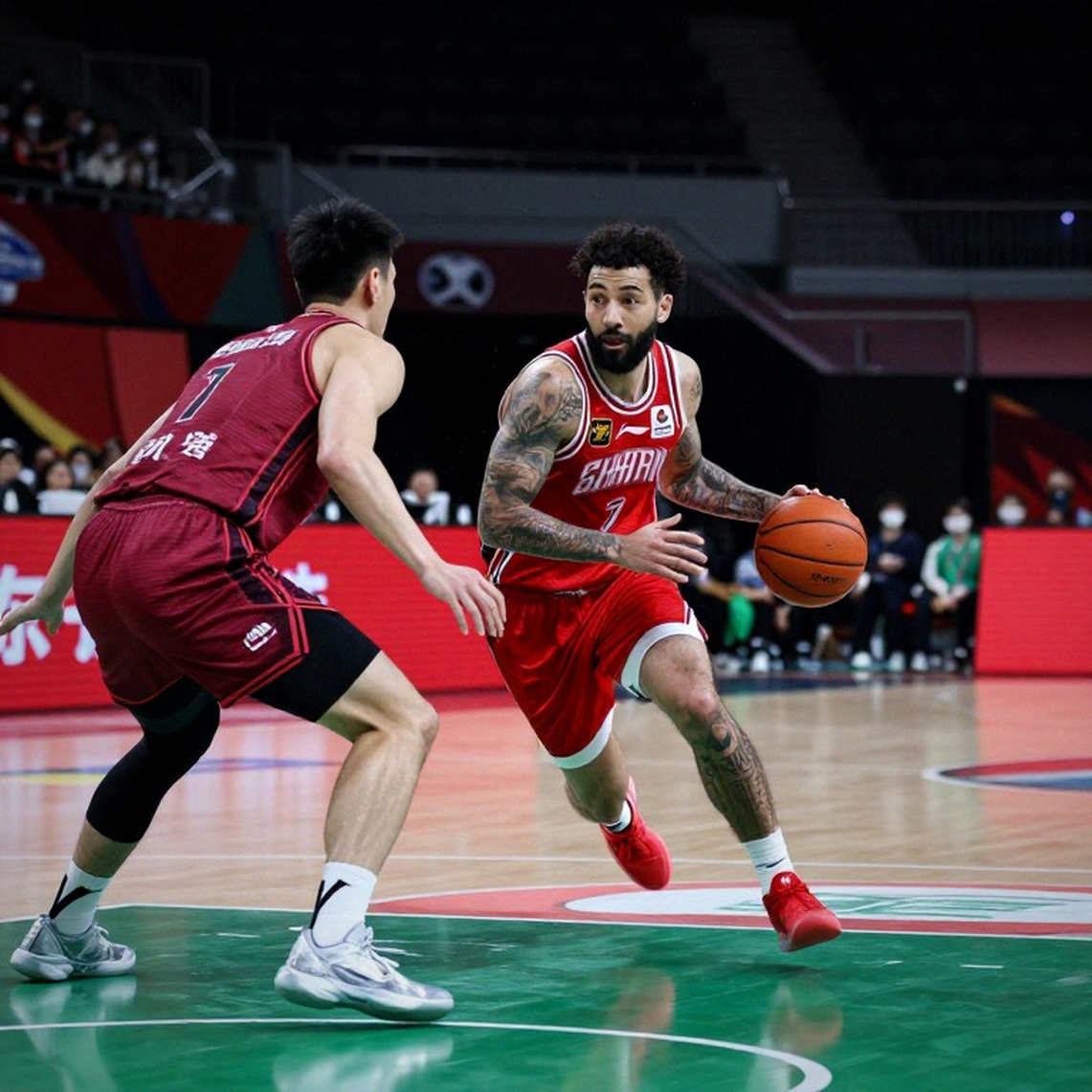
And here is the most expensive decision in the whole episode. Sending a star back into a decided game for three points is not a finals-level tactical move; it is a failure of risk management. The exposure at that moment was real. An injury there would have cost the season, not the streak. What the team did was rank star satisfaction and the marketing of an individual record above one minute of genuine asset risk. As organisational culture, it is legible. As asset management, it was a bad trade.
Third line item — revenue. This streak was a broadcast asset, not a gate asset. A 141-game story sells national television and digital inventory; it does not sell arena seats. The lesson absorbed in 2026, sitting inside empty stadiums, is being repeated: matchday revenue stays exactly where it was, and individual records like this add nothing to it. Mistaking a broadcast property for proof of franchise financial health is the most common misreading of the entire episode.
Now the counter-intuitive side, which the coverage has almost entirely skipped. The voluntary exit is the only data point in this story that speaks to next season, and it is a governance event rather than a sentimental one. The NBA has spent recent seasons tightening rules around star availability and unnecessary minutes; returning to a decided game to chase a record sits right at the edge of that policy's spirit, and a player removing himself is the cheapest possible enforcement of it — no fine, no investigation. If the league tightens further, this game becomes a case study.
The episode also contains something that has been treated as evidence when it is not. An unnamed figure on the opposing side is quoted praising Gilgeous-Alexander's character. An anonymous quote adds colour; it does not build a case. A statement that cannot be verified belongs where a press-conference quote belongs — nowhere near the foundation of a conclusion.
The locker-room signal, by contrast, is mostly positive. Teammates actively feeding him suggests partnership rather than envy: a star whose individual target gets adopted as a shared one. A coach honouring a player's request to come out is a marker of trust. It also reveals a power structure in which the limit is set by the player. Whether that is healthy empowerment or star autonomy with limited accountability cannot be settled from one anecdote. Treat it as a data point, not a policy.
One more thing, as a reader. This is an aggregated report with no named source, no primary document, not one efficiency metric, and a broken duration calculation. Sports journalism has normalised this: a big number makes a headline, and the data underneath never gets printed. For a sport whose entire valuation framework rests on numbers, coverage without numbers leaves the reader with nothing but questions.
Sitting in India, there is another ledger to open — the work of pricing this market. The 141-game streak received more column inches in Indian sports pages this year than the Senior Nationals did, a tournament where players from Railways, Services, Tamil Nadu and Punjab turn out while holding down departmental jobs. It is the same capital misallocation visible in the Jr. NBA's schoolyard investment: the longest streak in the world's biggest league is a broadcast product for our reader, while the domestic circuit he could actually play in goes unpriced and uncovered.
What to watch is clear enough. In the playoffs, defences will change — drop, switch, blitz — and a regular-season 20-point floor answers none of those questions. The genuine test is this: where does 141 games of accumulated workload surface in April and May? And if OKC intends to defend a title, will it again send its most expensive asset back onto the floor of a decided game for an individual record?
The streak ended, and this is no obituary. It is a workload ledger opened in front of witnesses — and the largest entry in it is the 17-point night, the one where the player walked off and told everyone he cared more about his knees than about three points. The question is not whether the record broke. The question is whether, the next time a star is sent back out to chase one, anybody's balance sheet will stop it.