
The Sample Sealed Before Sydney: Jepchirchir, EPO and an Open Timeline
**मुख्य उत्तर** पेरेस जेपचिरचिर को एथलेटिक्स इंटीग्रिटी यूनिट ने अनंतिम रूप से निलंबित किया है, क्योंकि 30 अगस्त 2026 की सिडनी मैराथन से पहले केन्या में लिए गए प्रतियोगिता-बाहर सैंपल में EPO पॉज़िटिव मिला। यह अंतिम प्रतिबंध नहीं है; अपील की खिड़की खुली है और सिडनी का परिणाम अभी दर्ज है। **मुख्य तथ्य** - जेपचिरचिर, 33 वर्ष, केन्या; सैंपल रेस से पहले केन्या में लिया गया था, सिडनी में नहीं। - उन्होंने 30 अगस्त 2026 को सिडनी मैराथन 2:18:31 में जीती, आइरीन चेपेट चेप्टाई से तीन मिनट से अधिक आगे। - सिडनी 2025 में सातवाँ विश्व मैराथन मेजर बना; यह जेपचिरचिर का नवीनतम बड़ा ख़िताब है। - टोक्यो ओलंपिक 2020 स्वर्ण और सितंबर 2025 विश्व चैंपियनशिप स्वर्ण उनके नाम हैं; न्यूयॉर्क 2021, बोस्टन 2022, लंदन 2024 भी। - EPO इंजेक्शन के रूप में यूरिन या खून में केवल छोटी खिड़की तक पकड़ में आता है। **स्रोत** एथलेटिक्स इंटीग्रिटी यूनिट की अनंतिम निलंबन सूचना; संदर्भ तिथि: 30 अगस्त 2026 (सिडनी मैराथन)। **संबंधित प्रश्न-उत्तर** प्रश्न: क्या अनंतिम निलंबन का अर्थ अंतिम प्रतिबंध है? उत्तर: नहीं — B-सैंपल जाँच, सुनवाई और अपील की प्रक्रिया पूरी होने तक यह केवल प्रशासनिक दर्जा है। प्रश्न: क्या सिडनी मैराथन का परिणाम रद्द हो गया है? उत्तर: नहीं, 2:18:31 अभी दर्ज है; परिणाम पर टिप्पणी केवल अंतिम फ़ैसले के बाद जुड़ेगी। प्रश्न: टोक्यो ओलंपिक और 2025 विश्व ख़िताब पर सवाल है? उत्तर: सार्वजनिक AIU सूचना केवल सिडनी-पूर्व सैंपल से जुड़ी है और उन प्रतियोगिताओं तक नहीं पहुँचती।
August 30, 2026, Sydney. The result sheet carries two numbers side by side — 2:18:31, and a margin of more than three minutes. Peres Jepchirchir won that race; her compatriot Irene Chepet Cheptai finished second. The Athletics Integrity Unit now says Jepchirchir has been provisionally suspended after an out-of-competition sample returned a positive test for EPO. The sample that built this case was not collected in Sydney. It was collected in Kenya, before the race.
That is the sentence that gets flattened in the first twenty-four hours. Headlines look at the race; the paperwork looks at the sample. They are not the same event. The sample's location tells you where the testing happened — inside the Kenyan training environment, in the camp where marathoners spend the weeks before a race. The race's location tells you what the sheet said that morning. Merging the two into one paragraph is easy, and wrong.
Jepchirchir is 33, and her record book is the kind that does not need a federation press release behind it. She won the women's marathon at the Tokyo 2026 Olympics, held in 2026. She returned to the same city in September 2026 and won the World Championships. She broke the women's half-marathon world record in 2026, and the mark fell again on three occasions in 2026. New York 2026, Boston 2026, London 2026 — all hers. Sydney is the newest line on that list, and it was the seventh World Marathon Major after Sydney joined the series in 2026.
EPO — erythropoietin — is a natural substance produced in the kidneys that drives red blood cell production. Injected, it is detectable in urine or blood only inside a short window. Its effect on the body outlasts that window by a wide margin. That asymmetry is the technical centre of this case.
Testing for EPO is a chemistry question and a scheduling question at once. The day the sample was taken matters as much as the result it returned. The entire out-of-competition apparatus — whereabouts filing, quarterly location declarations, a tester arriving at a stated address — rests on one logic: go where the athlete sleeps and trains. A race-day sample is a low-yield window for this substance. A camp day is a high-yield one. The sample collected in Kenya follows that logic; it is not an accident of geography.
I have kept marathon major timing sheets for years — the five-kilometre splits, the negative-split pattern, the point where the pace group broke. That habit makes one thing plain: a three-minute-plus gap in a women's major usually tells you the pace group shattered early and the winner ran alone, not something about the athlete's physiology. 2:18:31 is a strong time at sea level. The margin is a story about the field. Reading it as evidence is a category error.

Something else the file leaves out: the exact sample date, the laboratory, the concentration, the status of the B-sample. Patiala taught me to count what the file leaves out. Here, the missing portion will decide whether this runs for months or for weeks.
A provisional suspension is an administrative status, not a sanction. After the AIU notice, the athlete can request analysis of the B-sample; then a hearing, then a decision, then an appeal window. Until that sequence closes, the record book does not move. Sydney's 2:18:31 still stands today. That distinction disappears from most first-day coverage, and it is the distinction a career rests on.
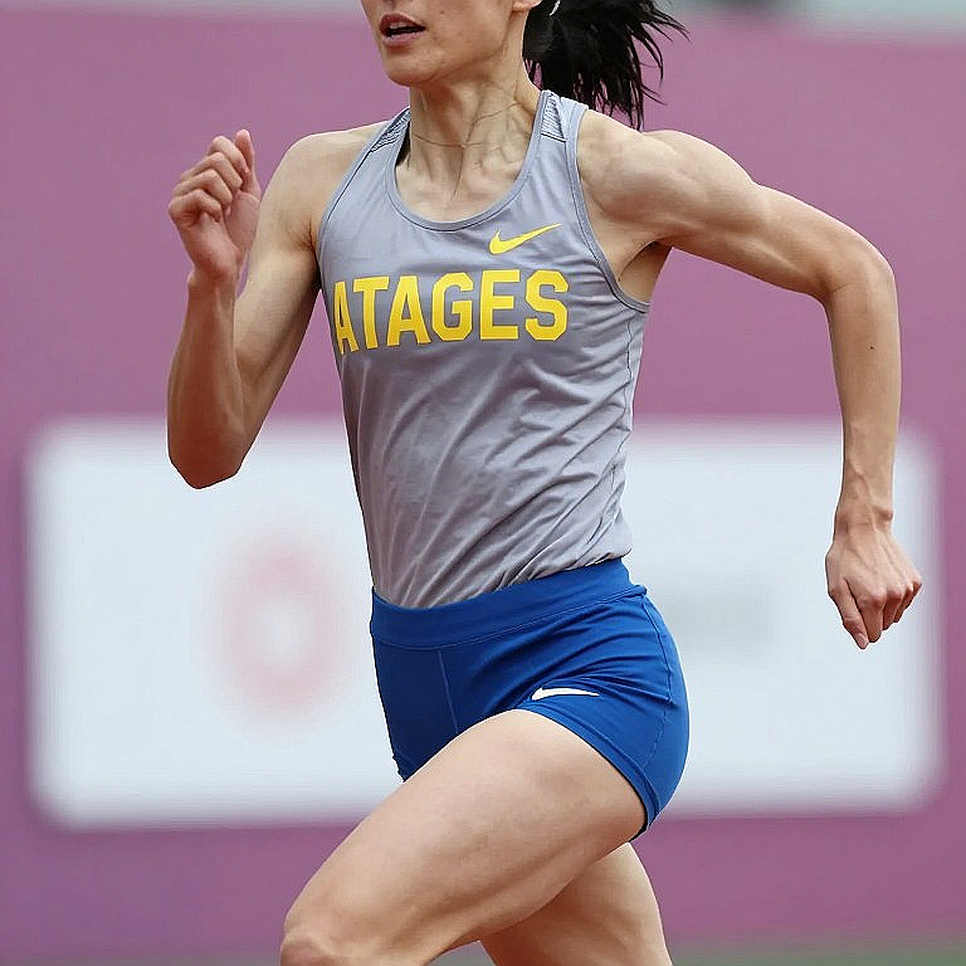
Sydney joining the majors in 2026 changed the calendar. The southern-hemisphere major lands at the end of August, with the northern autumn majors only weeks behind it. Racing density has gone up; testing density is a separate ledger, and it has no public calendar. In the marathon economy, that gap is the fastest-widening one — four big paydays can be stacked into a single season, the recovery maths gets done in camp, and the camp's address sits with the tester as well as the coach.
American readers often look at Kenyan athletics through franchise lenses. There are no contracts there; there are camps. Management agencies, physios, a supplement supply chain, shared housing, a shared kitchen — the whole structure assembles in one place for eight to ten weeks. Testing goes there because life is there. Calling that a curse is easy; calling it the testing arm of an employment system is accurate.
Here is where the outside reading goes wrong. The first conclusion published will be that a career is finished and every title is in question. The documents say far less. One sample, one substance, one provisional status, one appeal window. The Tokyo 2026 gold and the September 2026 world title are separate competitions with separate testing histories; the public notice does not reach them. A ban is reported with a test date, a substance and an appeal window — never as a single verdict.
The second error is older: assuming a positive sample explains the wins. It explains a sample. The three-minute gap in Sydney was produced by that day's field, not by the months before it.
In March 2026 the AFI confirmed doping bans on six women athletes, relay squad members among them. That date is a fixed coordinate in this sport's calendar, and it comes to mind here because the coverage then also arrived first as a verdict and only later as a process. Six bans leave a longer shadow than six matches — and the shadow of the process is longer still.
I followed the kit bag, not the press release. In this case the kit bag is the training camp whose address sat in Jepchirchir's whereabouts file, and the same address sat with the AIU tester. Nothing connected the two but a filed address and a filed date.
What to watch. Whether a B-sample request has been made is the first signal; its timing tells you what the defence is standing on. The second is the autumn majors' entry lists — a name removed, or not removed, is news either way. The third, and slowest, is the decision that will or will not add a footnote to the Sydney sheet.
One thing is settled. Nobody had a camera running on the day the sample was taken. The room knew before the table did — and the table is still reading 2:18:31.